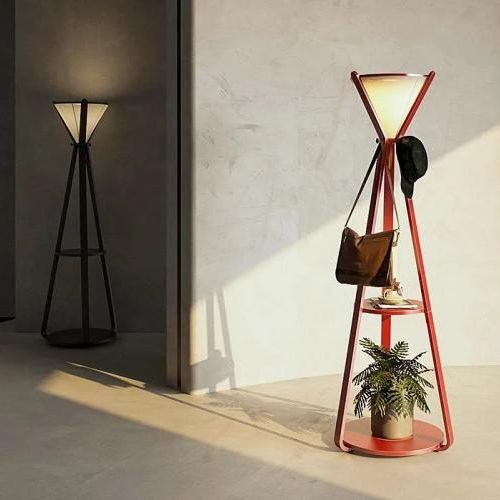
Elegant Alabaster Reading Lamp in Scandinavian Style for Cozy Spaces
Looking for a reading lamp that blends seamlessly into your cozy Scandinavian-style space while offering beautiful, diffused light? An elegant alabaster reading lamp designed with Scandinavian aesthetics is a fantastic choice. It combines the natural beauty and warm glow of alabaster with the minimalist, functional principles of Nordic design, creating a piece that’s both a practical light source and a subtle artistic statement. This type of lamp doesn’t just illuminate; it enhances the entire atmosphere of your room, making your reading nook feel even more inviting and serene.
Understanding the Scandinavian Aesthetic for Lighting
Scandinavian design, at its heart, is about functionality, simplicity, and natural beauty. It’s born from countries with long, dark winters, so light – especially natural light – is highly valued. When it comes to interior design, this translates into uncluttered spaces, light color palettes, and the use of natural materials. The goal is to create bright, airy, and calming environments that feel both comfortable and practical.
Key Principles Applied to Lighting
For a Scandinavian reading lamp, these core principles manifest in several ways. First, there’s a strong emphasis on form follows function. The lamp’s primary purpose is to provide light, and its design shouldn’t obscure that. There are no superfluous embellishments; every element serves a purpose. Second, minimalism is paramount. Clean lines, simple shapes, and a lack of intricate detailing are hallmarks. This doesn’t mean boring, though; instead, the beauty comes from the purity of the form and the quality of the materials. Third, natural materials are highly favored. Wood, leather, wool, and natural stone often feature prominently. This connects the indoors with the natural world, bringing a sense of organic warmth into the home. Fourth, light itself is carefully considered. Scandinavian lighting often aims for diffused, warm light that mimics natural sunlight or firelight, creating a cozy and inviting atmosphere rather than harsh, direct illumination. The quality of light is as important as the design of the fixture.
Why Alabaster Fits So Well
Alabaster, a beautiful natural stone, is an ideal material for a Scandinavian-style reading lamp for several reasons. Its semi-translucent nature allows light to pass through, but in a soft, diffused manner. This creates a warm, ambient glow that is perfect for reading without being harsh on the eyes. The unique veining and natural patterns within each piece of alabaster mean that every lamp is subtly different, adding a touch of organic individuality without being overtly decorative. This fits perfectly with the Scandinavian appreciation for natural variation and understated beauty. Furthermore, alabaster often has a creamy, off-white, or very light hue, which aligns well with the light color palettes common in Nordic interiors. Its smooth, cool texture also adds a tactile element that complements other natural materials like wood or linen. It feels substantial and high-quality, reflecting the Scandinavian preference for well-crafted, durable items.
The Allure of Alabaster: More Than Just a Stone
Alabaster isn’t just another material; it’s a centuries-old choice for sculptural and decorative objects, particularly appreciated for its unique optical properties. It’s a type of gypsum, a soft mineral that’s relatively easy to carve, allowing for intricate designs – though in a Scandinavian context, the focus is on showcasing its natural beauty rather than complex carvings.
The Unique Qualities of Alabaster for Illumination
What truly sets alabaster apart for lighting is its extraordinary light diffusion. Unlike opaque materials that block light entirely, or clear glass that allows direct, often harsh light, alabaster acts as a natural diffuser. When light passes through it, it’s scattered and softened, resulting in a gentle, warm glow. This isn’t just about dimming the light; it’s about transforming its quality. The light that emerges from an alabaster shade is reminiscent of candlelight or the soft light of a cloudy day – comforting and conducive to relaxation.
Moreover, the natural veining and subtle imperfections within each piece of alabaster become beautifully illuminated when the lamp is on. These patterns create a dynamic visual interest, making the shade itself a subtle piece of art. The light isn’t just a constant wash; it subtly interacts with the stone’s internal structure, giving the lamp a living, breathing quality. This inherent variation means that no two alabaster lamps will ever be exactly identical, contributing to the “one-of-a-kind” appeal that aligns with appreciating natural materials. The color of alabaster also plays a role, typically ranging from creamy white to light beige or honey tones, which inherently produces a warmer-toned light compared to stark white diffusers. This warmth is exactly what you want in a cozy reading space.
Sourcing and Sustainability Considerations
When it comes to alabaster, responsible sourcing is an important factor. It’s a natural resource, and like any such material, its extraction needs to be managed ethically and sustainably. High-quality alabaster often comes from specific regions known for their geological deposits, such as Spain, Italy, or Egypt. Reputable manufacturers will typically work with suppliers who adhere to environmental regulations and fair labor practices.
For consumers, looking for lamps from brands that are transparent about their sourcing can be a good indicator of their commitment to sustainability. While alabaster itself is durable and long-lasting, minimizing waste during the manufacturing process and ensuring proper disposal of off-cuts are also part of a sustainable approach. Given its natural origin, alabaster is also fully recyclable, though its lifespan in a well-made lamp is usually so extensive that recycling isn’t an immediate concern. Choosing an alabaster lamp also leans into the Scandinavian value of investing in high-quality, durable pieces that will last for many years, reducing the need for frequent replacements and thereby lessening environmental impact. It’s an investment in a piece that holds its beauty and function over time, embodying a sustainable mindset through longevity.
Design Elements for Scandinavian Elegance
Achieving that “elegant Scandinavian” look for an alabaster reading lamp isn’t just about using alabaster. It’s about how the stone is integrated with other materials and shaped into a cohesive, functional, and aesthetically pleasing design. Every element, from the base to the power cord, contributes to the overall impression.
Form and Structure: Simplicity Reigns
In Scandinavian design, complex shapes are often eschewed in favor of clean, straightforward forms. For an alabaster reading lamp, this means a silhouette that is unfussy and purposeful.
- Clean Lines and Geometric Shapes: You’ll typically see lamps with simple cylindrical, spherical, or conical alabaster shades. The base and arm might feature straight lines, gentle curves, or simple geometric shapes like circles or squares. The beauty lies in the precision and balance of these basic forms.
- Minimalist Profile: The lamp shouldn’t overpower the space. Its presence should be subtle yet significant. This often translates to slender profiles for floor lamps, or compact, unobtrusive designs for table lamps. The focus is on the light it provides and the natural beauty of the alabaster, not on elaborate structural elements.
- Ergonomic Functionality: While elegant, the lamp must be practical. This means considering how the lamp adjusts, where the switch is located, and how stable it is. A well-designed Scandinavian reading lamp will have smooth, intuitive adjustments if it’s articulated, or a perfectly balanced fixed structure if not.
Complementary Materials and Finishes
Alabaster is the star, but the supporting cast of materials and finishes is crucial for completing the Scandinavian look.
- Natural Wood: Light-colored woods like ash, oak, or birch are incredibly popular. They bring warmth, texture, and another organic element to the design. The wood might be used for the base, a slender arm, or even small accents. Often, the wood is lightly finished to preserve its natural grain and tone.
- Matte Metals: Brushed brass, black matte steel, or polished chrome (less common but still seen) are often used for the lamp’s structure. Brushed finishes tend to be preferred as they reduce reflectivity and offer a more subdued, sophisticated look. Matte black provides a subtle contrast that helps define the lamp’s form without being stark.
- Textile Cords: The power cord is often treated as an integral design element, rather than something to be hidden. Textile-wrapped cords, in complementary neutral tones like grey, black, or natural linen, add a subtle touch of texture and craftsmanship.
- Subtle Color Palette: Beyond the alabaster itself, the colors used are typically muted and earthy. Whites, greys, beige, and natural wood tones dominate. This creates a cohesive, calming palette that allows the warmth of the alabaster light to shine.
Adjustability and Placement
A reading lamp needs to direct light effectively, so adjustability is a key functional feature that can also be elegantly incorporated into Scandinavian design.
- Articulated Arms: Many reading lamps feature articulated arms, allowing the user to precisely position the light. In a Scandinavian context, these mechanisms are often designed to be smooth, discreet, and aesthetically integrated, using simple pivot points or sleek sliding mechanisms rather than bulky joints.
- Swivel Heads: The alabaster shade itself might swivel, allowing directional control of the diffused light. This is particularly useful for fine-tuning the illumination on your book or page.
- Strategic Placement: Consider whether the lamp is a floor lamp, a table lamp, or even a wall-mounted sconce. For cozy reading spaces, a floor lamp that arches over a chair or a table lamp positioned beside it are common. Wall-mounted options can save floor space and offer a clean, built-in look, particularly in smaller rooms. The design should facilitate easy placement within these common reading nook configurations.
Creating a Cozy Reading Nook Atmosphere
The right reading lamp does more than just provide light; it transforms a space, making it feel more inviting and conducive to relaxation and focus. An elegant alabaster reading lamp, with its inherent warmth and gentle glow, is particularly adept at crafting this kind of atmosphere.
The Role of Light Quality in Coziness
Harsh, direct, or overly bright light can be jarring and uncomfortable, especially when trying to unwind with a book. The beauty of an alabaster lamp lies in its ability to produce a uniquely soft, diffused illumination.
- Warm, Diffused Glow: As light passes through the translucent alabaster, it becomes scattered and softened, removing any harsh glare. The natural tones of the alabaster (creamy white, light beige) also tend to warm the emitted light, creating a golden, inviting hue. This kind of light mimics natural twilight or the glow of a distant fire, both of which are intrinsically associated with comfort and relaxation.
- Reduced Eye Strain: The gentle, even spread of light from an alabaster diffuser minimizes shadows and eliminates hotspots, making it much easier on the eyes during extended reading sessions. This soft illumination helps prevent eye fatigue, allowing you to get lost in your book for longer without discomfort.
- Ambient Illumination: While direct enough for reading, the light from an alabaster lamp also contributes significantly to the overall ambient light of the room. It casts a warm, subtle glow that enhances the general coziness of the space, rather than just acting as a utilitarian spotlight. This makes the lamp feel like an integral part of the room’s atmosphere, even when you’re not actively reading.
Pairing with Furniture and Textiles
To maximize the cozy potential of your alabaster reading lamp, consider how it interacts with other elements in your reading nook. Scandinavian design is all about harmonious integration.
- Comfortable Seating: A plush armchair, a generously sized lounge chair, or even a deep sofa forms the heart of any reading nook. Look for pieces upholstered in natural, tactile fabrics like wool, linen, or soft cotton. Earthy tones, muted pastels, or classic neutrals work best. The lamp should be positioned to perfectly illuminate your seating area.
- Soft Textiles: Layering is key for coziness. Drape a chunky knit throw blanket over your chair, add a few decorative cushions in complementary textures, and consider a soft rug underfoot. These textiles absorb sound and add tactile warmth, enhancing the inviting feel. The alabaster lamp’s soft light will beautifully highlight the textures of these fabrics.
- Natural Wood Accents: A small side table made of light wood (oak, ash, birch) is essential for holding your book, a cup of tea, or other small items. The wood’s natural warmth and grain will perfectly complement the alabaster and other natural materials, reinforcing the Scandinavian aesthetic.
- Greenery: A few well-placed plants bring life and a touch of nature indoors, further enhancing the serene and calming atmosphere. The alabaster lamp’s light will subtly highlight their forms and colors.
Beyond Reading: Versatile Ambiance
While designed as a reading lamp, the elegant alabaster fixture offers versatility that extends beyond just illuminating pages.
- Mood Lighting: Even when you’re not reading, the lamp can be switched on to provide a beautiful, atmospheric glow. It’s perfect for winding down in the evening, creating a serene backdrop for conversation, or simply enjoying the quiet comfort of your home.
- Subtle Art Piece: The inherent beauty of the alabaster, with its unique veining and soft translucence, makes the lamp an understated sculptural element in its own right. When off, it’s a beautiful object; when on, it becomes a luminous focal point.
- Enhancing Hygge: The Danish concept of “hygge” (pronounced hoo-gah) refers to a feeling of coziness, comfort, and contentment. An alabaster reading lamp perfectly embodies hygge by providing warm, gentle light that fosters a sense of well-being and encourages relaxed, mindful moments. It creates the perfect environment for slow living.
Investing in Quality and Longevity
Choosing an elegant alabaster reading lamp in Scandinavian style isn’t just about aesthetics; it’s about making a considered purchase that reflects a commitment to quality, durability, and lasting design. These are pieces designed to be cherished for years, even decades.
The Value of Craftsmanship
High-quality alabaster lamps are not mass-produced items. They often involve skilled craftsmanship in both the stone cutting and the assembly of the lamp itself.
- Expert Stone Work: Selecting the right piece of alabaster, carefully cutting it to shape, and polishing it to reveal its natural beauty requires expertise. Each piece must be handled with care to avoid damage and to showcase its unique characteristics. The smooth, cool feel of a well-finished alabaster shade is a testament to this skill.
- Precision Engineering: The lamp’s other components – the base, arm, joints, and electrical fittings – must be precisely engineered and assembled. This ensures stability, smooth adjustability (if applicable), and safe, reliable operation. Wobbly bases, loose joints, or visible imperfections in metalwork are signs of lower quality.
- Attention to Detail: From the seamless integration of different materials to the finish of a screw head, attention to detail is paramount. A truly well-made lamp will feel solid and thoughtfully constructed in every aspect. This dedication to detail is a hallmark of Scandinavian design principles, where quality is never an afterthought.
Durability and Maintenance
Alabaster, while beautiful, is a natural stone and requires a bit of care to maintain its pristine appearance. However, with proper attention, an alabaster lamp can last a lifetime.
- Alabaster’s Resilience: Alabaster is relatively soft compared to granite or marble, which means it can be scratched or chipped if not handled carefully. However, for a stationary item like a lamp shade, this is rarely an issue. Its natural composition means it won’t yellow or degrade over time in the way some plastic diffusers might.
- Simple Cleaning: To clean alabaster, use a soft, dry cloth to dust it regularly. For any smudges or light marks, a slightly damp cloth (dampened with plain water) can be used, followed immediately by a dry cloth to prevent water spots. Avoid harsh chemical cleaners, as these can damage the stone’s surface or dull its natural luster.
- Protecting Other Materials: For wooden components, regular dusting and occasional polishing with a suitable wood cleaner will keep them looking their best. Metal parts can usually be wiped clean with a dry or slightly damp cloth. Ensuring the lamp is placed in a stable location, away from high-traffic areas where it might be easily knocked, will also contribute to its longevity.
- Longevity as Sustainability: Investing in a well-made alabaster lamp is a sustainable choice. It’s an object designed to last, reducing the need for frequent replacements and minimizing waste. This aligns perfectly with the Scandinavian philosophy of consuming less and choosing items that are built to endure, both aesthetically and functionally.
The Investment Perspective
An elegant alabaster reading lamp, particularly one crafted with Scandinavian design principles in mind, represents an investment. These lamps typically command a higher price point than mass-produced alternatives, but that cost is justified by several factors.
- Material Cost: Alabaster is a natural, often hand-selected material. Its inherent beauty and the unique properties for light diffusion contribute to its value.
- Design and Craftsmanship: The expertise required for both the design and the actual fabrication of these lamps, including precise stone cutting, metalwork, and assembly, adds to the cost. You are paying for skilled labor and thoughtful design.
- Timeless Aesthetic: Scandinavian design is renowned for its timelessness. These lamps aren’t subject to fleeting trends; their clean lines and natural materials ensure they remain relevant and beautiful for decades. This makes them a wise long-term aesthetic investment.
- Enhanced Living Experience: Ultimately, the investment is in enhancing your living space and your daily experience. A lamp that provides beautiful, comfortable light and adds genuine aesthetic value contributes significantly to the quality of your home environment. It’s an investment in comfort, well-being, and enduring style.