Bedroom Ceiling Light Price & Budget Guide: Affordable & Stylish Picks
A new bedroom ceiling light doesn’t have to break the bank, and you can definitely find stylish options without compromising your budget. Expect to pay anywhere from $30 for a basic flush mount to $500+ for a more intricate chandelier, with a sweet spot for most quality, fashionable fixtures falling between $75 and $250. This guide will walk you through what influences those prices and how to make smart choices for your space and wallet.
Understanding What Drives Ceiling Light Prices
It’s easy to look at a range of prices and wonder why one light costs so much more than another, even if they look somewhat similar. Several key factors contribute to the final price tag of a bedroom ceiling light Yiksing. Knowing these can help you better understand where your money is going and make more informed decisions.
Material Quality and Construction
This is often one of the biggest differentiators. A light fixture made with high-quality metals (like solid brass, steel with a durable finish, or even some types of wood) will naturally cost more than one made from thinner, stamped metal or plastic. The weight, feel, and overall finish quality are usually good indicators. For example, a heavy-duty, powder-coated steel fixture will outlast and outperform a lightweight aluminum one that might dent easily or have a less consistent finish. Similarly, fixtures with actual glass shades, especially hand-blown or thicker seeded glass, will cost more than those with acrylic or thinner, less refined glass. Better construction also means things like well-hidden wiring, robust mounting hardware, and tight seams, all of which add to manufacturing costs but also to the fixture’s longevity and aesthetic appeal.
Design Complexity and Style
Simple designs are generally more affordable to produce. A basic flush mount with a single diffuser is relatively straightforward. As you move into more intricate designs – think multi-arm chandeliers, semi-flush mounts with decorative cages, or fixtures incorporating multiple shades or unique shapes – the manufacturing process becomes more complex, requiring more materials, more steps, and often more specialized labor. Artisan-designed fixtures or those with unique, copyrighted designs will also command higher prices because you’re paying for the originality and often the smaller-batch production. The trendiness of a style can also play a role; highly sought-after contemporary designs might be priced higher due to demand.
Brand Reputation and Warranty
Just like with anything else, certain lighting brands have a reputation for quality, innovation, and customer service. Established brands that invest in design, rigorous testing, and offer comprehensive warranties often have higher price points. You’re paying not just for the light fixture itself, but also for the assurance that comes with a trusted name, knowing they stand behind their products. This can mean better materials, more reliable electrical components, and easier access to replacement parts if ever needed. Conversely, lesser-known brands or generic imports might offer lower prices but could come with compromises in quality, finish durability, or customer support.
Electrical Components and LED Integration
The type and quality of the electrical components inside the fixture matter significantly. Higher-quality wiring, sockets, and transformers (especially for LED fixtures) are safer and more durable. If a fixture comes with integrated LED lighting, the quality of those LED chips, their drivers, and their dimming capabilities can drastically affect the price. High-CRI (Color Rendering Index) LEDs that provide accurate color representation or those with tunable white light features will be more expensive than basic, fixed-color temperature LEDs. Fixtures designed for smart home integration (e.g., Wi-Fi controlled, compatible with voice assistants) also incorporate more advanced electronics, adding to their cost.
Finish Type and Durability
The finish of a light fixture isn’t just about color; it’s about durability and how it’s applied. Common finishes like brushed nickel, matte black, or oil-rubbed bronze can vary widely in quality. A high-quality finish, often applied through powder coating or electroplating, will resist scratches, chipping, and fading much better than a cheaply sprayed-on finish. Specialty finishes like antique brass, polished chrome, or those with hand-applied patinas often involve more labor and specialized processes, driving up the cost. Even the thickness and consistency of a standard finish can indicate overall quality and contribute to the price difference.
Budgeting for Your Bedroom Ceiling Light: What to Expect
Setting a realistic budget before you start shopping will save you time and frustration. The good news is there’s a huge variety out there, so you’re likely to find something that works for your space, no matter your budget. Here’s a breakdown of what you can generally expect at different price points.
Under $75: Functional and Basic
In this price range, you’ll primarily find very basic, functional lighting. This segment is dominated by simple flush mount lights, often with plastic or thin metal bases and acrylic diffusers. You might also find some small, very basic semi-flush mounts or utility-style fixtures.
Flush Mounts
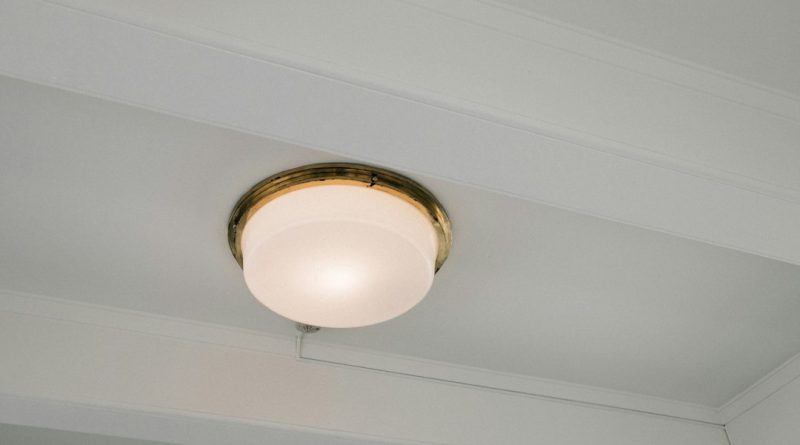
These are the most common in the under $75 category. Expect white or brushed nickel finishes, often with a simple dome or disc shape. They provide general ambient light and are perfect for smaller bedrooms, low ceilings, or utility spaces where the focus is purely on illumination. They might come with integrated LEDs or require standard screw-in bulbs. While not typically ‘stylish’ in a decorative sense, many modern designs offer clean lines that can blend well with minimalist decor.
Simple Semi-Flush Mounts
You might occasionally find smaller, less ornate semi-flush mounts. These will usually have very basic metalwork and a single, often glass, shade. They offer a slight upgrade from flush mounts by dropping down a few inches, adding a little more visual interest, but don’t expect intricate details or premium materials here.
Utility/Bare Bulb Fixtures
For very basic needs, you might find single or dual bare-bulb fixtures (often referred to as “boob lights” for their shape, though more modern iterations exist). These are purely functional, often seen in closets or laundry rooms, but can work in a truly minimalist bedroom if you pair them with decorative Edison bulbs.
$75 – $250: The Sweet Spot for Style and Value
This is where the majority of homeowners find their ideal bedroom ceiling light. You get a significant jump in design options, material quality, and overall aesthetic appeal without spending a fortune.
Stylish Flush and Semi-Flush Mounts
At this price point, flush and semi-flush mounts become much more interesting. You’ll find a wider array of finishes (matte black, oil-rubbed bronze, brass tones), more decorative diffusers (seeded glass, fabric shades, geometric patterns), and better quality metalwork. They can be statement pieces rather than just functional lights. Many contemporary, transitional, and even some farmhouse-style options are available here.
Smaller Chandeliers and Pendants
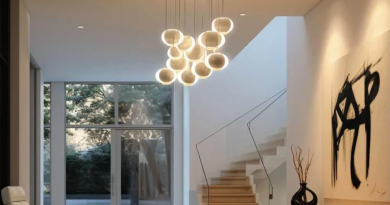
If your ceiling height allows (generally 8 feet or more), you can start exploring smaller chandeliers or multi-light pendants. These won’t be grand, multi-tiered affairs, but rather compact designs with 3-5 arms, often featuring simple candle-style bulbs or small shades. They can add a touch of elegance and focal point to a master or guest bedroom. Look for designs in popular finishes that complement your existing decor.
Integrated LED Fixtures
Many fixtures in this range will feature integrated LED lighting, offering energy efficiency and a long lifespan. You’ll find better quality LEDs with more accurate color rendering (higher CRI) and often dimmable capabilities. Some might even offer basic smart features or adjustable color temperatures.
Quality Materials
Expect better quality metals like thicker steel, more durable finishes that resist wear, and often real glass shades rather than plastic. The overall construction will feel sturdier and more refined than lights in the lower budget bracket.
$250 – $500: Elevated Design and Premium Features
Stepping into this budget range opens up a world of more sophisticated designs, higher-quality materials, and often more robust construction. This is where you find fixtures that truly become central design elements.
Mid-Sized Chandeliers and Statement Pieces
You’ll find a good selection of mid-sized chandeliers with more arms, more intricate detailing, and often higher-quality crystals or glass elements. These are perfect for master bedrooms with average to slightly higher ceiling heights (9 feet+). Statement semi-flush mounts with unique shapes, multi-layered designs, or decorative elements like natural wood or ceramic are also prominent.
Higher-Quality Materials and Finishes
Expect solid metal construction, often with heavier gauges of steel or brass. Finishes will be more meticulously applied, offering greater depth and durability. You’ll see more specialized glasswork, potentially hand-blown or etched, and higher-grade acrylics if used. Some fixtures might incorporate natural elements like solid wood, woven materials, or more unique composite materials.
Advanced LED Technology
Integrated LED fixtures in this range will often feature premium LED chips, advanced dimming drivers (smooth dimming with no flicker), and potentially smart home integration capabilities right out of the box. You might also find fixtures with unique light output patterns or indirect lighting elements for a softer glow.
Artisan and Boutique Options
Some smaller, boutique lighting brands or designers start to appear in this price range, offering unique, less mass-produced designs. You might find fixtures with a handcrafted feel or a distinctive artistic flair.
$500+: Luxury and Bespoke Options
Once you cross the $500 threshold, you’re looking at truly high-end, luxury, and often designer-driven lighting. These are investments that offer exceptional quality, unique aesthetics, and sometimes customizability.
Grand Chandeliers and Architectural Lighting
This category includes large, impressive chandeliers suitable for spacious master bedrooms with high ceilings. Expect multiple tiers, intricate crystal arrangements, or complex metalwork. You’ll also find architectural lighting designs that integrate seamlessly into the room’s structure or offer unique artistic expressions.
Premium Materials and Craftsmanship
Only the finest materials are used here: solid brass, genuine crystals (K9 or higher grade), hand-blown art glass, exotic woods, and precision-machined metals. The craftsmanship is impeccable, with meticulous attention to detail in every weld, joint, and finish application. These fixtures are built to last a lifetime and often become family heirlooms.
Customization and Bespoke Designs
At the very top end, you might be looking at custom-designed fixtures, where you work with a designer to create something truly unique for your space. Alternatively, high-end brands often offer options for custom finishes, shade materials, or even slight modifications to their existing designs.
Advanced Smart Home and Lighting Control
These fixtures often come with the most advanced smart home integrations, allowing for precise control over brightness, color temperature, and even light patterns. They might be part of a larger lighting ecosystem that can be programmed for various moods and scenarios.
Where to Shop for Bedroom Ceiling Lights
Finding the right balance of price and style often comes down to knowing where to look. Different retailers cater to different budgets and design preferences.
Online Retailers (Budget-Friendly to Mid-Range)
Online stores offer an unparalleled selection and often highly competitive pricing due to lower overheads. They are fantastic for browsing a wide variety of styles and comparing prices easily.
Amazon & Wayfair
These giants offer everything from super budget-friendly basic flush mounts to stylish mid-range chandeliers. You’ll find a vast selection of styles, and often user reviews are invaluable for assessing quality and actual appearance. Just be mindful of third-party sellers and their return policies.
Lighting-Specific E-tailers (e.g., Build.com, Lumens.com, YLighting.com)
These websites specialize in lighting and often carry a wider range of reputable brands, including more premium options. They tend to have better filters for narrowing down your search by style, finish, and bulb type. While some can be higher-priced, they often have sales and offer better customer service for lighting-specific questions.
Home Improvement Store Websites (e.g., HomeDepot.com, Lowes.com)
Their online selections are typically much larger than what’s available in their physical stores. You can often find good deals on popular styles and benefit from easy in-store returns if needed. They cover a broad price spectrum, from budget to mid-range.
Physical Stores (Mid-Range to High-End)
Shopping in person allows you to see the fixture’s true size, finish, and material quality, which can be crucial for decorative pieces.
Home Improvement Stores (e.g., Home Depot, Lowe’s)
Great for seeing popular, mass-market options. While their in-store selection is limited, it’s good for getting a feel for different sizes and finishes on actual fixtures before buying online or checking their website. Good for budget to mid-range options.
Dedicated Lighting Showrooms
These stores specialize solely in lighting and often carry higher-quality brands and more unique designs. The staff are usually very knowledgeable and can offer design advice. This is where you’ll find more mid-range to high-end options, and it’s invaluable for seeing how a fixture truly looks and feels before committing.
Furniture and Home Decor Stores (e.g., Pottery Barn, Crate & Barrel, West Elm)
These stores integrate lighting into their overall home decor collections, so you’ll find fixtures that align with specific design aesthetics (e.g., modern, rustic, traditional). Their offerings are typically in the mid-range to high-end, emphasizing style and curated design.
Discount and Outlet Stores (Potentially Great Deals)
If you’re patient and willing to hunt, these can yield fantastic savings.
Clearance Sections (Online and In-Store)
Always check the clearance sections of any retailer. You might find discontinued models, floor samples, or open-box returns at significantly reduced prices.
Overstock and Liquidator Websites (e.g., Overstock.com, sometimes Wayfair’s sister sites)
These sites often carry last season’s models, excess inventory, or slightly damaged (often fixable) goods at a fraction of the original price. It’s a bit of a gamble, but the savings can be substantial.
Local Habitat for Humanity ReStores / Architectural Salvage
For unique, vintage, or antique fixtures, these stores can be treasure troves. You’ll need to inspect electrical components carefully or plan to have them rewired by an electrician, but the character and savings can be worth it.
Tips for Saving Money Without Sacrificing Style
Sticking to a budget doesn’t mean you have to settle for boring or low-quality. With a few smart strategies, you can find a stylish bedroom ceiling light that won’t strain your wallet.
Prioritize What Matters Most
Before you start shopping, think about your absolute must-haves versus nice-to-haves. Is a specific finish crucial? Do you need dimmable functionality? Is a certain design style non-negotiable? By identifying your priorities, you can be more flexible on less important features. For example, if a unique shape is paramount, you might be willing to compromise on an integrated LED for a more affordable screw-in bulb option. If exceptional light output is key, you might be okay with a simpler design.
Consider Reputable House Brands
Many larger retailers (like Home Depot, Lowe’s, Wayfair, Amazon) have their own “house brands” for lighting. These are often manufactured to similar standards as more expensive brands but are sold at a lower price point because they don’t have the marketing overhead of a premium name. Read reviews carefully, but these can be excellent sources for stylish, well-made fixtures at a better value.
Look for Sales and Clearance
This might seem obvious, but it’s often overlooked in the excitement of decorating. Sign up for email newsletters from your favorite lighting and home decor stores. Holidays (Black Friday, Cyber Monday, President’s Day, Memorial Day) are prime times for major sales. End-of-season or clearance sales are also excellent for finding discounted items, especially as new collections are introduced. Don’t be afraid to add items to your cart and wait a few days; sometimes retailers send “abandoned cart” discounts.
Opt for Standard Bulb Sockets
Fixtures that use standard E26 (medium base) or E12 (candelabra base) screw-in bulbs are often more affordable upfront than those with integrated LEDs, especially in the budget and mid-range categories. While integrated LEDs are more energy-efficient in the long run, the initial cost can be higher. Plus, with standard sockets, you have the flexibility to choose your own LED bulbs for desired brightness, color temperature, and dimmability, which can be a cost-effective way to get the light quality you want.
DIY Upgrades to Existing Fixtures
If you’re on a very tight budget or love a bit of a project, consider upgrading an existing, plain fixture. For example, you can:
- Paint the metalwork: A fresh coat of matte black or brushed gold spray paint can totally transform a dated fixture.
- Replace the glass shade: If your fixture has a standard shade, you might be able to find a more decorative or interesting replacement shade that fits the existing hardware.
- Add decorative elements: For open-cage fixtures, consider adding crystals, beads, or other decorative elements (safely and away from heat sources).
- Use smart bulbs: Even a very basic fixture can become ‘smart’ by screwing in a smart LED bulb, offering dimming, color changes, and app control without needing a new fixture.
Check Return Policies Carefully
Before making a purchase, especially online, always read the return policy. Some retailers charge return shipping fees or restocking fees, which can eat into your savings if the light doesn’t work out. Knowing the policy beforehand can help you make a more confident purchase or factor in potential return costs.
Installation Costs and Considerations
Beyond the fixture itself, it’s crucial to factor in potential installation costs. While some people are comfortable with DIY electrical work, for many, hiring a professional is the safer and smarter choice.
DIY vs. Professional Installation
DIY Installation
If you’re handy, understand basic electrical wiring, and are comfortable working with electricity, installing a simple ceiling light can be a DIY project.
- Pros: Saves money on labor costs.
- Cons: Requires knowledge of electrical safety, proper wiring techniques, and often a second pair of hands. Improper installation can be a fire hazard or lead to electrocution. If you’re replacing a fixture with one that has different mounting hardware or wiring needs, it can quickly become more complicated.
- Cost: Free, beyond your time and potentially a few basic tools.
Professional Installation
Hiring a licensed electrician is highly recommended if you’re unsure about electrical work, if the wiring in your home is old, or if you’re installing a complex fixture (like a heavy chandelier).
- Pros: Ensures safety and compliance with electrical codes. Saves you time and effort. Electricians can often troubleshoot existing wiring issues.
- Cons: Adds to the overall cost.
- Cost: This can vary significantly based on your location, the electrician’s hourly rate, and the complexity of the job.
- Simple replacement: For replacing an existing fixture with a similar one (no new wiring, existing junction box is fine), expect to pay $75 – $150 per fixture.
- New installation/rewiring: If you need to install a new junction box, run new wiring, add a switch, or if the existing wiring is problematic, costs can range from $200 – $500+. This can involve opening up walls or ceilings, which also adds to the cost of patching and painting.
- Complex or heavy fixtures: Large chandeliers might require special mounting boxes or reinforcement in the ceiling joists, which will increase labor costs.
What to Consider Before Installation
Existing Wiring and Junction Box
Is there already a ceiling light at the desired location? If so, great – the bulk of the work (wiring, switch) is already there. If not, you’ll need an electrician to run new wiring from a power source and install a new junction box, which significantly increases costs. Also, check the existing junction box; some older or smaller boxes might not be rated to support heavier fixtures.
Ceiling Type and Height
Drywall ceilings are generally straightforward. Plaster ceilings can be more challenging to work with without causing damage. High ceilings (over 8-9 feet) will often require a tall ladder or scaffolding, which can add to an electrician’s labor time or require you to rent equipment for DIY.
Dimmer Switch Compatibility
If you plan to use a dimmer, ensure both your new light fixture and your chosen bulbs (if applicable) are dimmable. For LED fixtures or LED bulbs, you’ll need an LED-compatible dimmer switch. If you don’t already have one, swapping out a standard switch for a dimmer will add a small additional cost (around $20-$50 for the switch itself, plus installation if you hire an electrician).
Electrical Load
Ensure your home’s electrical system can handle the new fixture, especially if you’re adding multiple lights or a very powerful fixture. This is rarely an issue for a single bedroom light, but it’s something an electrician will consider.
By carefully considering both the price of the fixture and the potential installation costs, you can create a complete budget for your new bedroom ceiling light and avoid any unpleasant surprises.